
The cause of gingivitis after implant + treatment Amytis

role Gingiva in implant successCause AnalysisIs It causes implant failure Prevention Gingival analysis
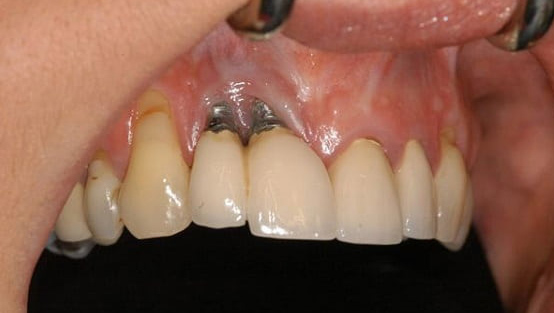
Gingival analysis after dental implant is one of the common but preventable problems that, if neglected, can disrupt the beauty of the smile and reduce the longevity of the implant. This problem is usually caused by improper placement of the implant, low bone and gum density, infection and inflammation around the implant, pressure or improper installation of the veneer, smoking, and gum disease. Its symptoms include the exposure of the implant base, longer visible crown of the tooth, bleeding or inflammation of the gums, pain and changes in the appearance of the smile line. For the treatment and prevention of gum analysis, methods such as gum and bone grafting, implant coating correction, laser therapy and strict oral hygiene are recommended.

 -
Text size
+
-
Text size
+
Gingival analysis around the implant is one of the concerns that can affect both the function and the cosmetic treatment that is apparently successful. Although dental implants are considered one of the most effective methods for replacing lost teeth, if the bone and surrounding soft tissue do not match properly, complications such as gingivitis around the implant may occur. This issue can not only affect the beautiful appearance of the smile, but in some cases it also threatens the function and durability of the implant. In this article, we examine what exactly is gingivitis after implant, what factors cause it to occur, how to prevent it, and if it occurs, what are the solutions to treat it.
What role does the gum play in implant success?
Gums, as one of the main protective tissues in the mouth, play a vital role in the success and durability of dental implants. Contrary to the popular belief that focuses only on the jawbone, the health and quality of the gums are also absolutely necessary to create a stable and aesthetic foundation around the implant.
Healthy gums help the implant to integrate well with the surrounding tissues, prevent the entry of bacteria and infection, and maintain the natural appearance of the teeth. If the gingiva is thin, inflamed or infected, it may cause the implant base to not be properly fixed in place, or to erode and recede in the long term. This situation can cause the metal base of the implant to be seen, reduce the beauty of the smile, and even loosen or completely fail the treatment.
Read more about types of periodontal disease and its treatment
Therefore, before doing the implant, it is very important to accurately evaluate the condition of the gums and, if needed, to strengthen it with methods such as gum grafting.
The cause of gingival recession after dental implant

- Lack of bone density or volume
Lack of bone in the implant site can cause many problems. In the absence of proper bone support, the prosthesis or dental crown will not fit properly and this issue can lead to receding gums over time. This problem is more common especially after tooth extraction which occurs along with bone loss.
- Damage caused by surgery
Using excessive pressure or trauma during implant surgery may cause damage to gum tissue or bone. This issue usually occurs due to the insufficient experience of the surgeon, anatomical problems, or the use of inappropriate tools, and can lead to a delay in the healing process and gingival resorption.
- Infection (peri-implantitis)
Bacterial infection around the implant, known as peri-implantitis, can cause inflammation, bone loss and ultimately receding gums. Failure to observe oral hygiene is one of the main causes of this problem.
- Improper placement of the implant
Incorrect placement or with the wrong angle of the implant can put additional pressure on the surrounding tissues and structures. This pressure causes gingival erosion and may even affect the stability of the implant itself.
- Overloading (Overloading)
If the prosthesis designed on the implant does not fit well or is made of an unfavorable material, excessive force may be applied when chewing. These pressures cause tissue instability and gum degeneration.
Read more: Cause Swelling and swelling after implant
- Lack of soft gum tissue
If the amount of soft tissue around the implant is not enough, the area is more vulnerable. This situation may lead to the exposure of the metal of the implant and cosmetic concerns.
- Improper prosthesis design
Incorrect design of dental prosthesis can cause local pressures on the gums and these pressures lead to the receding of the gums in that area over time.
- Smoking
Smoking disrupts blood circulation and the healing process. This factor is considered one of the most important factors that increase the risk of implant failure and gingivitis, because it deprives the tissues of receiving enough oxygen and nutrients.
Will I lose my implant with receding gums?
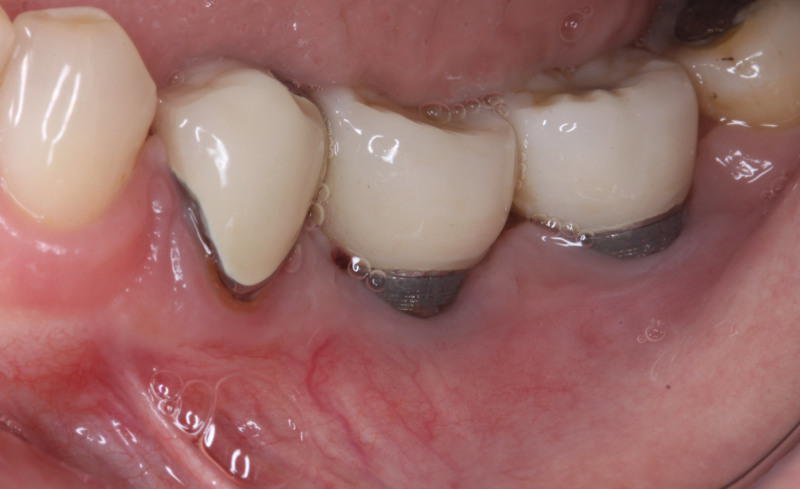
It doesn't always have to be this way — but it's definitely a serious warning that shouldn't be ignored. If gingivitis around the implant is not treated, it may lead to the following complications:
- The appearance of the metal surface of the implant
- Progress of the problem to the point of "peri-implantitis" (infection around the implant)
- Loss of bone around the implant that jeopardizes its stability
4. Regular visits to the dentist for examination and calculus
Regular checkups allow the dentist to detect and treat early signs of gingivitis or pre-implantitis, before the problem reaches a serious stage.
5. No smoking
Smoking is one of the main factors in gingivitis and implant failure. Quitting smoking can significantly increase the chances of surgery success and the health of oral tissues.
6. Use of a standard and suitable prosthesis or dental crown
The correct design of the cover or prosthesis on the implant prevents unbalanced pressures on the gums and surrounding tissue. This item must be designed and installed by a specialist dentist.
Warning signs of gingival recession after implants
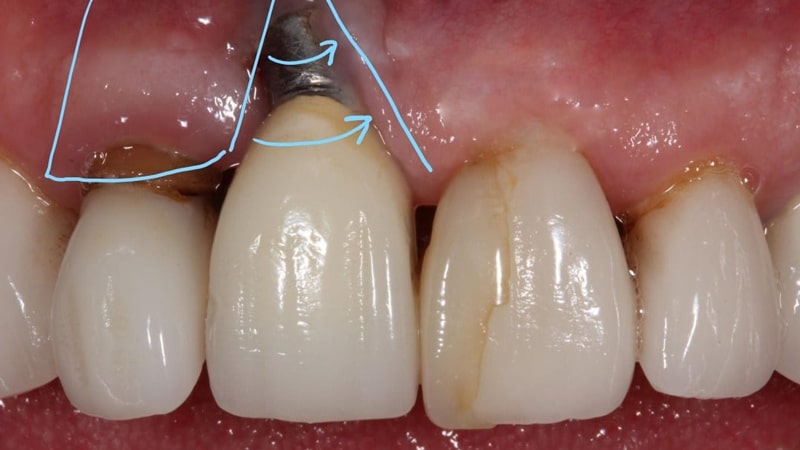
Early detection of gingival recession symptoms can prevent the development of the problem and damage to the implant. Some signs that should not be ignored are:
- The appearance of the metal border of the implant or tooth crown
- Gum darkening or discoloration around the implant
- Feeling sensitivity or pain when eating hot and cold foods Redness, swelling or bleeding of the gums when brushing or touching
- Persistent metallic taste or bad breath
- The implant looks shorter or longer than the side teeth
If you see any of these symptoms, it is necessary to see a dentist quickly.
What should be done in case of gingivitis?
If gingival recession occurs after an implant, prompt action can prevent the problem from progressing and increase the chance of saving the implant. Suggested steps include:
- Immediate visit to a dentist or gum specialist to accurately assess the condition of the tissues and bone around the implant
- Deep cleaning of the area around the implant in case of plaque or infection (such as debridement methods or use of laser)
- Drug treatment with antibiotics in case of peri-implantitis diagnosis
- Adjusting or replacing the implant cover in case of unbalanced pressure or inappropriate design
- Planning for reconstructive procedures, such as soft tissue grafting or bone grafting in more severe cases
Dr. Shaghaig Parvizi
Dental clinic Amytis
Amitis Dental Clinic, managed by Dr. Mohammad Parsa and specialized in cosmetic, restorative and implant treatments for more than 15 years, is one of the reputable dental clinics with modern equipment and experienced team in Tehran. This center has provided more than 10,000 successful services to patients, and Amitis Dentistry, in addition to treating domestic patients, has also treated international and foreign patients.
previous post
value Tooth sharpener for coating
Next post
Cancel Answer

مقالات دیگر از Dr. Mehsa Ensi

هزینه پر کردن دندان ۱۴۰۴ + تعرفه دقیق انواع پرکردگی | آمیتیس
هزینه انواع پر کردن دندانهزینه پر کردن دندان با عصب کشیعوامل موثر در قیمت هزینه پر کردن دندان بسته به نوع ماده، تعداد سطوح دندان و میزان آسیب متفاوت است. پرکردگی با آمالگام معمو...

تفاوت ایمپلنت تک مرحله ای و دومرحله ای | مقایسه مراحل
ایمپلنت تک مرحله ایایمپلنت دو مرحله ایمقایسه مراحل درمانمقایسه مزایا / معایبتفاوت مدت زمان درمانبررسی هزینهکدام بهتره؟ ایمپلنت های دندانی به دو روش اصلی انجام میشوند: تکمرحله...

عصب کشی دندان لمینت شده امکان دارد؟ + نحوه انجام
آیا امکان پذیر است؟مراحل هزینهمزایا / معایب عصب کشی دندان لمینت شده زمانی انجام میشود که دندان زیر لمینت دچار پوسیدگی، التهاب یا آسیب عصبی شود. چون لمینت فقط سطح بیرونی دندان ر...

روکش ایمپلنت پیچی یا چسبی؟ +مزایا،معایب و کدام بهتر است؟
ایمپلنت با اتصال پیچیمزایا / معایب ایمپلنت پیچیروکش ایمپلنت با اتصال چسبیمزایا / معایب اتصال چسبیکدام بهتره برای انتخاب؟ در مرحله پایانی کاشت ایمپلنت دندان، روکش دندان روی پایه...

علت درد دندان هنگام جویدن و راه درمان آن | آمیتیس
شایع ترین علتتشخیصراه های کاهش دردعلائم را نادیده نگیرید درد دندان هنگام جویدن یکی از شایعترین نشانههایی است که می تواند خبر از وجود یک مشکل جدی در دندان یا لثه بدهد و نباید ن...

What is the success rate of dental implants in different people? | Amytis
Implant success

Introducing the 10 best clinics and implant centers in East Tehran Amytis

Korean Biotem implant Price, durability and benefits Amytis
What is it?

Dentium implant (Korean) with 98% success Price, benefits, complications
Dentium Implant WhatAdvantages / Complicationstypes Dentium fixture

Tooth sensitivity after composite
Tooth sensitivity after composites and dental treatments is one of the common problems that many patients may face. One of the common methods of repairing damaged or discolored teeth is the use of com...

Reasons for falling dental laminate
In today's world, the beauty and health of teeth is more important than ever.. One of the most common methods to improve the appearance of teeth and correct minor problems is dental laminates. Dental...

Durability of dental composite
The durability of dental composites depends on various factors, including the quality of materials used, installation techniques and follow-up care. For dental restorations that are placed in areas wi...

SEO site management services
Search engine optimization (SEO) services help you to rank your website higher in the search results of Google and other search engines.

Implementation of branding and digital advertising
Digital branding means creating a strong and distinctive brand in the digital space for a company or a specific product. This process involves using digital methods and strategies to build and strengthen the brand.

Website design for companies and businesses
Website design for companies and businesses can help you have a stronger online presence and attract more customers. Contact us for more information.
